




.jpeg)
Ohio continues to battle one of the nation’s deadliest opioid epidemics, with more than 5,000 lives lost in Ohio communities each year to overdose. Communities along the Cincinnati-Dayton corridor have felt that impact deeply, as emergency rooms, court systems, and families struggle to respond to a growing need for recovery resources. Yet for years, few facilities were equipped to treat the complex overlap between medical recovery and addiction care.
That care gap was all too obvious to Kim Barrows. A longtime nurse who had spent decades in post-acute care, she watched young patients cycle through hospitals with infections tied to intravenous drug use–too sick to go home, but with virtually no other options to appropriate care. “They needed antibiotics and medical care, but they also needed recovery support,” Barrows says. “There wasn’t a place designed for both.”
So she built one.
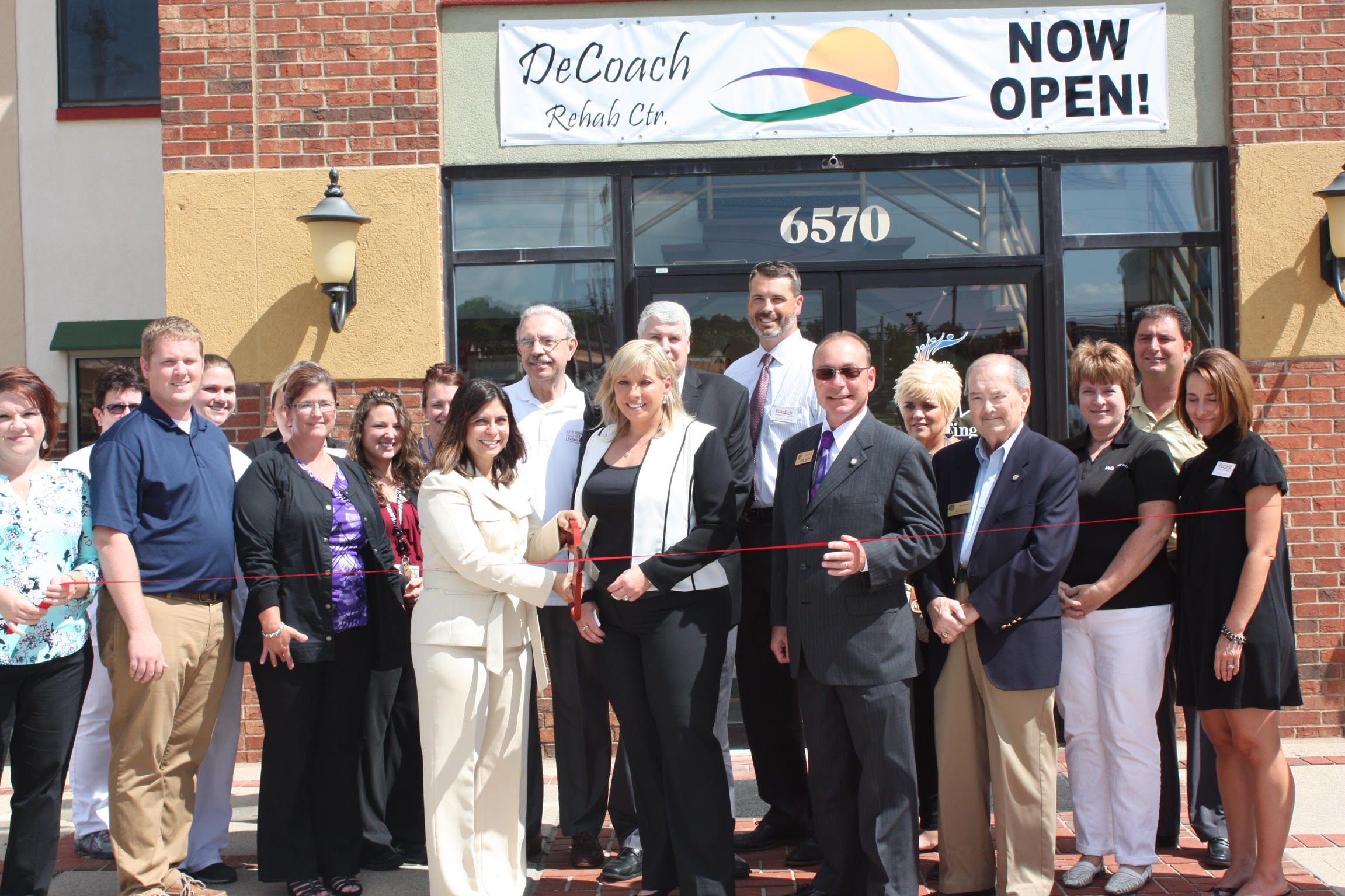
In 2016, Barrows and her team celebrated the grand opening of DeCoach’s first recovery support facility, located in Fairfield, Ohio.
Identifying an Unmet Need
Barrows became a nurse in 1996 and built her career in post-acute care, where she saw firsthand the challenges of treating physical illness and behavioral health needs at once. But her connection to addiction runs deeper.
“I know what it’s like to grow up around addiction,” says Barrows, whose father struggled with substance use. “It doesn’t just affect the person using–it affects their family, their friends, everyone who loves them.”
Barrows speaks with conviction and compassion when she talks about the people caught in the cycle of addiction. Sharply dressed and steady with a precise composure, she carries herself like someone who knows exactly where she’s going–and how to get there.
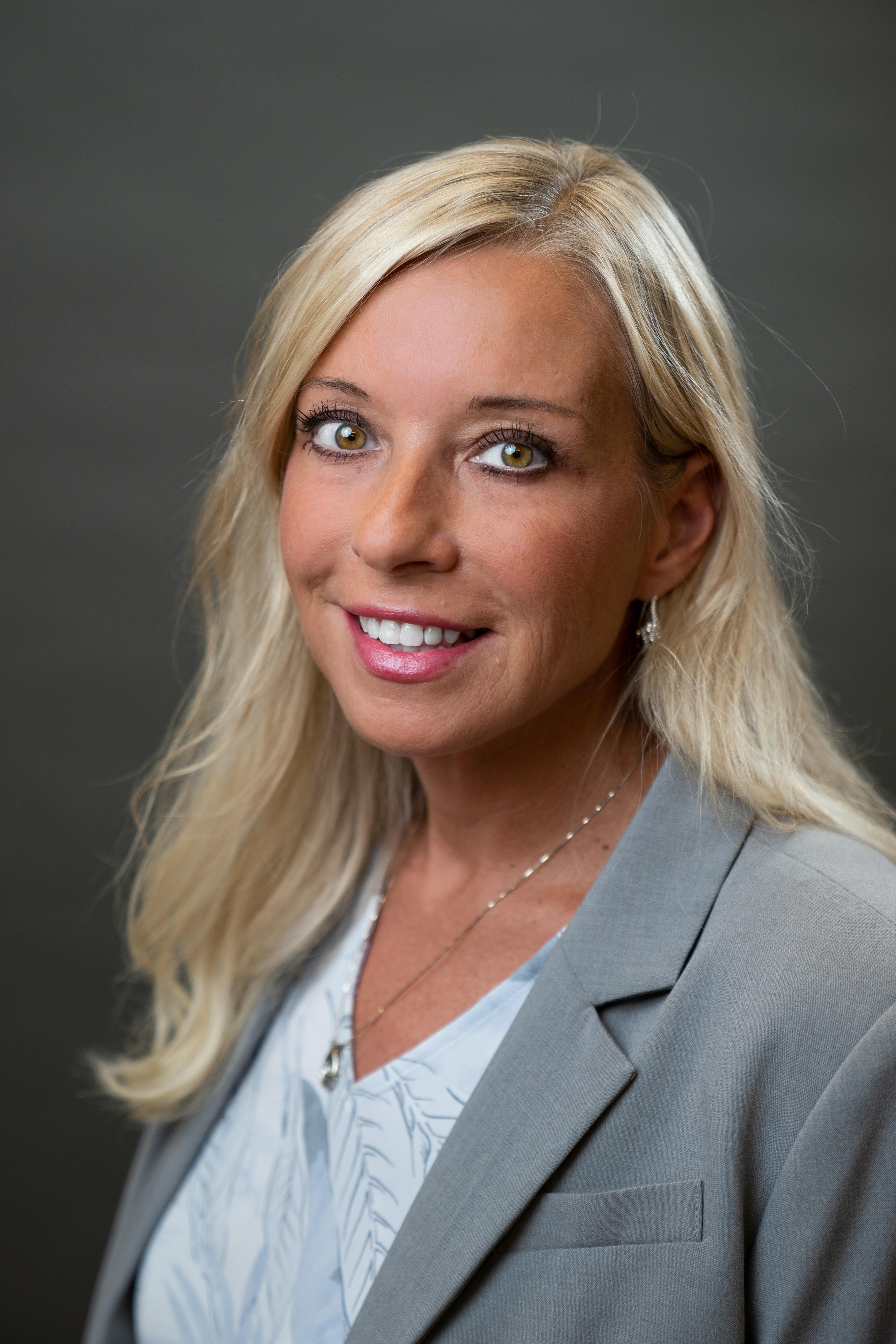
The founder of DeCoach Recovery Centre, Kim Barrows.
In 2016, determined to fill the gap she had witnessed for years, Barrows opened DeCoach Recovery Centre, a place that combines medical care, counseling, and community support. She launched the first location in Fairfield (Butler County) while still managing post-acute facilities. Within just nine months, as local judges, probation officers, and county leaders began seeing positive results, she was invited to open a second site in Xenia (Greene County). “We’re usually approached by other parties for expansion opportunities,” Barrows says. “We’ll only do it if we can do it right.”
Her vision for DeCoach is clear: build a place that treats recovery with the same dignity and rigor as any other form of medical care.
Today, DeCoach is a strong resource and care network serving nine surrounding counties across the Cincinnati-Dayton corridor. It includes seven outpatient centers, six licensed Opioid Treatment Programs (OTPs), and nine licensed and certified housing programs. Two years ago, the team opened the Ohio Recovery Campus (ORC) with 80 medical beds with 24/7 care for urgent cases. Altogether, DeCoach operates 254 beds across 21 locations. Financial backing and strategic access to capital have played an important role in that growth–especially at the height of the COVID-19 pandemic.
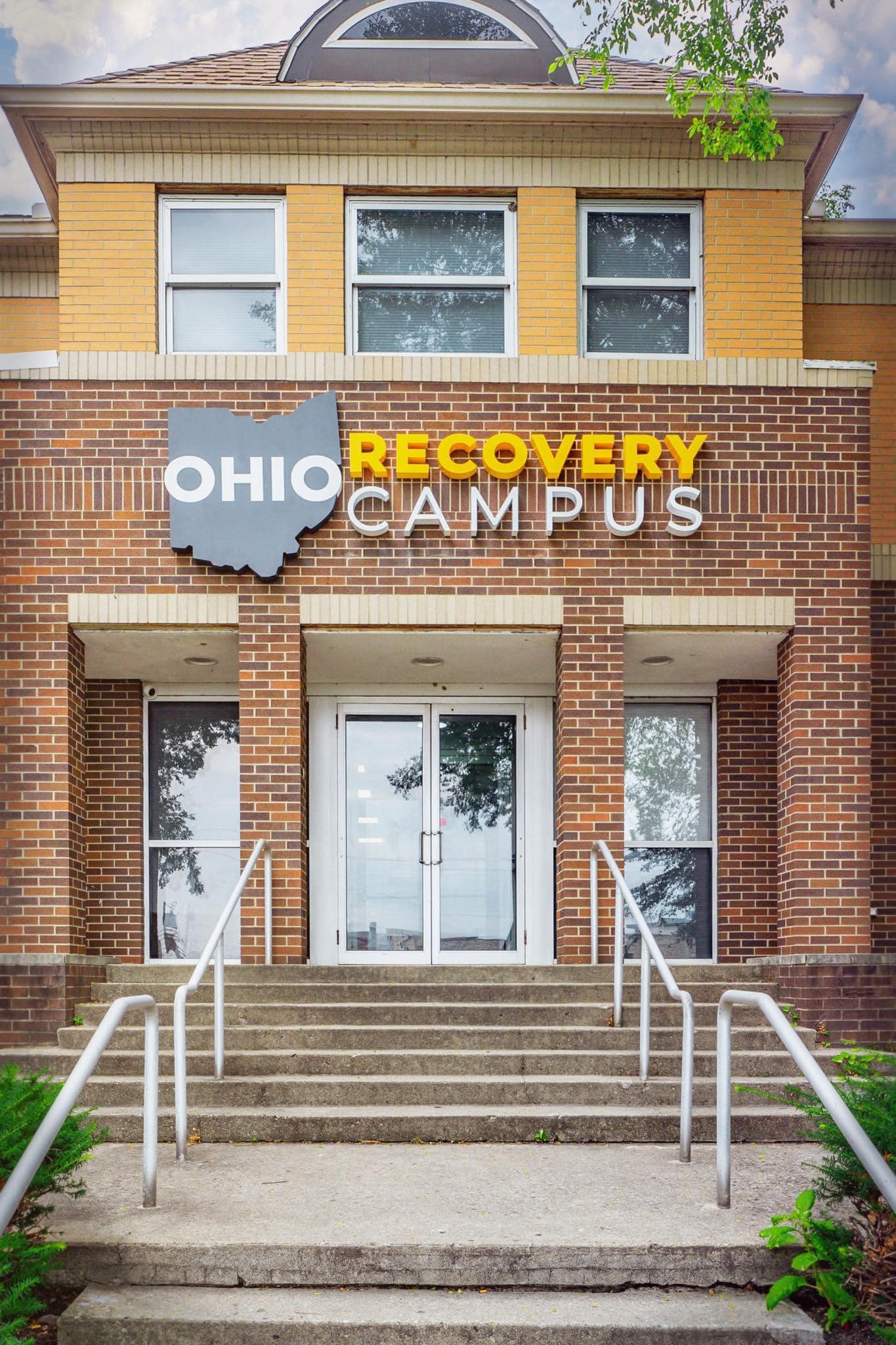
DeCoach’s Ohio Recovery Campus is equipped for the 24/7 care of the most urgent cases.
Access to Capital Amid Crisis
When COVID hit in 2020, businesses faced sudden closures, layoffs, and uncertainty. To help, Congress passed the CARES Act, which created the Paycheck Protection Program (PPP), a federal loan initiative designed to help small businesses keep their employees on payroll and cover essential expenses during the crisis.
For DeCoach, those funds were critical. With hundreds of staff members and patients depending on daily care, operations couldn’t simply pause. “We still had to provide medical treatment and housing, even when everything else was shutting down,” Barrows recalls. “People’s lives literally depended on it.”
At the time, DeCoach’s accounts were held with a large national bank that wasn’t responding quickly to small business requests. “We were days from the [PPP] deadline and kept hearing, ‘We’ll get back to you,’” Barrows says. “It was crazy.”
That’s when Barrows turned to Michelle Edwards, a Commercial Lender at Civista Bank. “I texted Michelle late that night,” Barrows says. “She immediately jumped in. We worked until one or two in the morning getting the PPP application packaged and submitted.”
For Barrows, that responsiveness made all the difference. “We were small then, but it didn’t matter to Civista. We were still important.”
Mark Sams, Civista’s Senior Vice President/Senior Revenue Officer, remembers the intensity of those weeks. “Those early days of the PPP program were chaotic for everyone,” he says.
“Michelle and our entire lending staff were working nights and weekends to make sure our local businesses were protected. That’s what community banking is about—being there when people truly need you.”
Edwards agrees. “We were working around the clock,” she says. “I’d wake up in the middle of the night to process a few more approvals because people’s livelihoods were on the line. Civista built a process that allowed us to get applications submitted and approved faster than the big banks,” she adds, noting the bank’s longstanding focus on responsiveness to customers and community needs–in crisis and beyond. “That responsiveness is what opened the door for relationships like DeCoach."
Partnership in Action
That single late-night PPP application marked the start of something bigger. After seeing how quickly and personally Civista Bank responded when other institutions wouldn’t, Barrows made an easy decision.
“I told my partner right then, we’re moving everything to Civista,” she says. “We needed a bank that treated us like a priority, not a number.”
Since that moment, Civista has become an essential part of DeCoach’s growth story, helping to finance expansion projects, provide operational stability, and serve as a true financial partner behind the mission. The relationship has continued to grow as DeCoach opened new facilities and extended its reach across Cincinnati and Dayton.
Creating a Full Continuum of Care
DeCoach’s model is built to meet people where they are in recovery and guide them step by step toward independence. A person might begin at the Ohio Recovery Center (ORC) formedical detox–where doctors and nurses help them safely manage withdrawal–then move into a residential program for more structured therapy. From there, they transition into treatment housing, where they attend counseling six days a week while rebuilding daily routines and confidence. The final step is sober living, where individuals work, continue therapy, and practice maintaining stability in real life.
“It’s like the hospital-to-rehab-to-outpatient model you see in traditional medicine,” Barrows explains. “We wanted that same kind of full, connected care for people recovering from addiction… and we built it.”
Alongside medical and counseling services, DeCoach helps patients rebuild their lives through practical, hands-on support that makes long-term recovery possible:
- Transportation and Access: A busy call center in Sharonville takes calls during the day, evenings, and weekends. A transportation team is always ready to pick up patients, so lack of a transportation doesn’t become a barrier to getting help.
- 24/7 Front Door Program: Instead of being taken to jail or an emergency room, people in crisis can be brought directly to DeCoach by emergency services. There, they receive food, a safe place to rest, and hygiene care before staff assess their needs and help them begin treatment.
- Court and Community Programs: DeCoach partners with around 40 local courts to provide required classes and counseling, such as anger management, domestic violence education, driver intervention, and theft prevention. These programs give people a real chance to turn their lives around while meeting legal requirements.
- Mobile Crisis Response: In Montgomery County, DeCoach runs a mobile team that responds when someone is experiencing a mental health crisis, a program that replaced a failed county service. “It scared me,” Barrows admits. “But more than 70% of people with addiction also face mental health challenges. We took it on—and we’re knocking it out of the ballpark.”
- Life Skills and Wellness Support: Patients learn practical skills like managing money, paying bills, and cooking nutritious meals. The program also includes yoga and optional faith-based support, helping people find balance physically, emotionally, and spiritually.
- Second-Chance Employment: Through its partner, QuickPro Staffing, DeCoach connects people in recovery with local employers who are open to second-chance hiring. Staff help participants create resumes, prepare for interviews, and find jobs that help them rebuild independence.
Along the way, patients often find themselves in contact with people not far removed from their experiences. “Close to half of our employees are in recovery themselves,” Barrows says. “They know the behaviors, they know what patients are thinking–because they’ve been there. When a patient hears, 'I made it, and you can too,' it changes everything."
Serving Communities That Need it Most
Not every neighborhood welcomes the idea of a treatment center opening nearby. Some residents worry about safety, declining property values, or the stigma that can surround addiction. "We do encounter the 'not in my backyard' reaction," Barrows says. "But the reality is, addiction already exists in every community, it's just often hidden."
To overcome this resistance, DeCoach focuses on transparency and education. The team meets with city officials, neighborhood associations, and law enforcement to share crucial information about addiction and recovery. They also present letters of support and data from other counties showing how their programs reduce strain on public services and improve community safety. "We show people that when individuals have access to care, they get better and that makes neighborhoods stronger," Barrows explains.
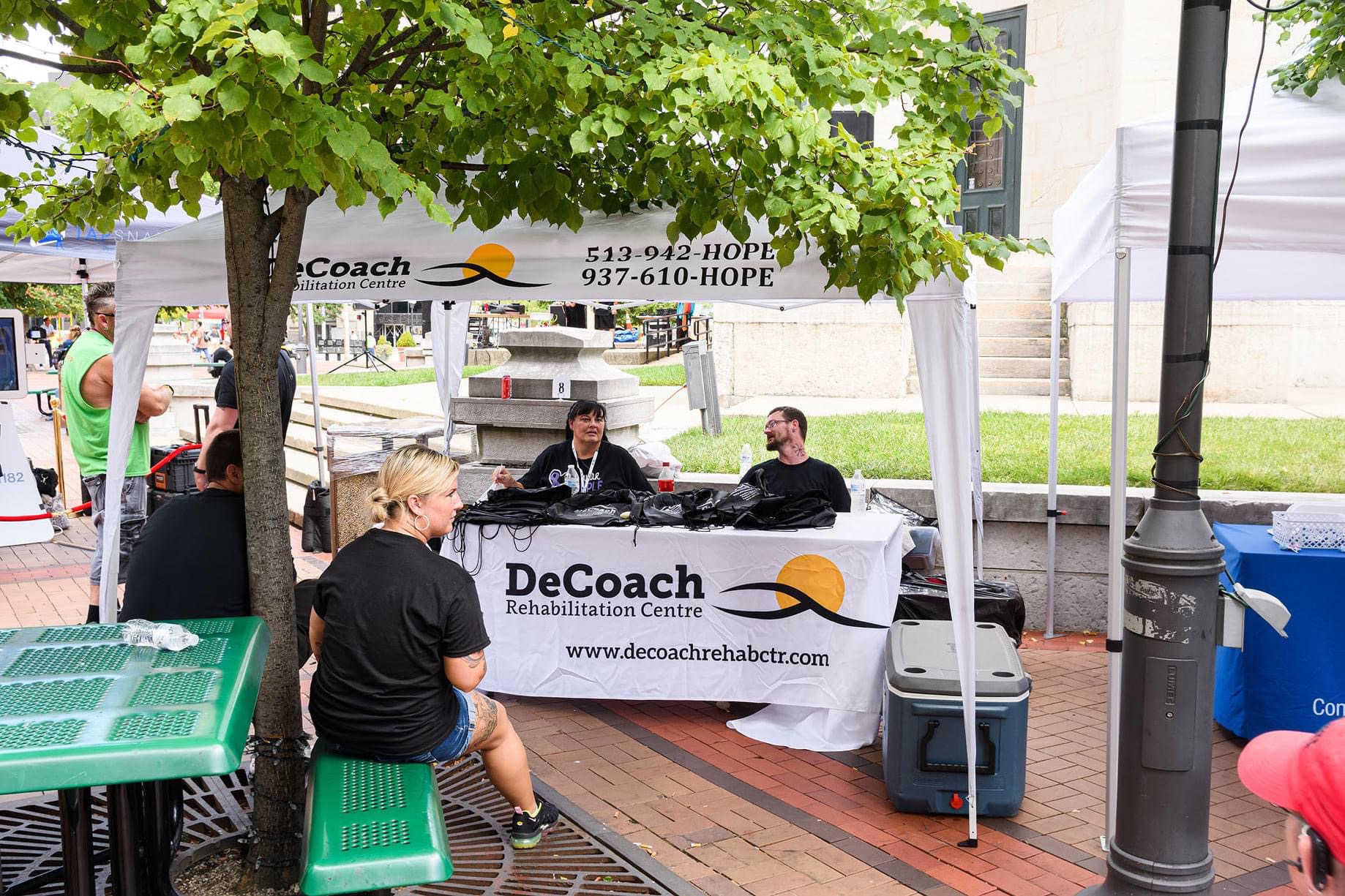
DeCoach focuses on education and transparency by sending teams to connect with communities in Ohio.
The results speak for themselves. In Dayton, for example, local police now work directly with DeCoach's 24/7 intake center. Instead of taking someone in crisis to jail or a crowded emergency room, officers can bring them to DeCoach, where they'll receive food, medical attention, and an assessment for treatment the next morning.
This partnership saves law enforcement countless hours and allows hospitals to focus on acute medical needs. "The burden we take off hospitals and jails is real—financially and physically." Barrows says. "We manage the care so the system can focus on what it does best."
Financing Growth & Everyday Operations
As DeCoach has continued to expand, its relationship with Civista helps the organization align its financial infrastructure across a growing footprint. From funding new facilities to structuring lines of credit that keep cashflow steady, Civista's commercial banking team works side by side with DeCoach.
The partnership extends into day-to-day efficiency. Civista's treasury management experts have helped DeCoach simplify how payments and transfers move across its many locations. "We've spent time reviewing how their systems connect, from payroll to patient payments, to find ways to save time and reduce costs," says Civista's Michelle Edwards. "It might not sound glamorous, but every hour saved on administrative paperwork is an hour that can go back to patient care."
Barrows agrees, noting the power of aligned and responsive banking services for an organization like hers. "I can text Michelle and say, 'We're looking at a new location, what do you need from me?' and she's already on it," she says. "When you're growing fast, that kind of support is invaluable. With Civista, we can move quickly and confidently."
That support remains crucial as more requests for addiction recovery care continue to pour in. “Montgomery County wants more outpatient services; Greene County is interested in additional residential capacity; we see opportunities in Hamilton County as well,” Barrows says. “We don’t
jump at the first option. Growth has to make sense. But we’ll keep showing up where the need is greatest."
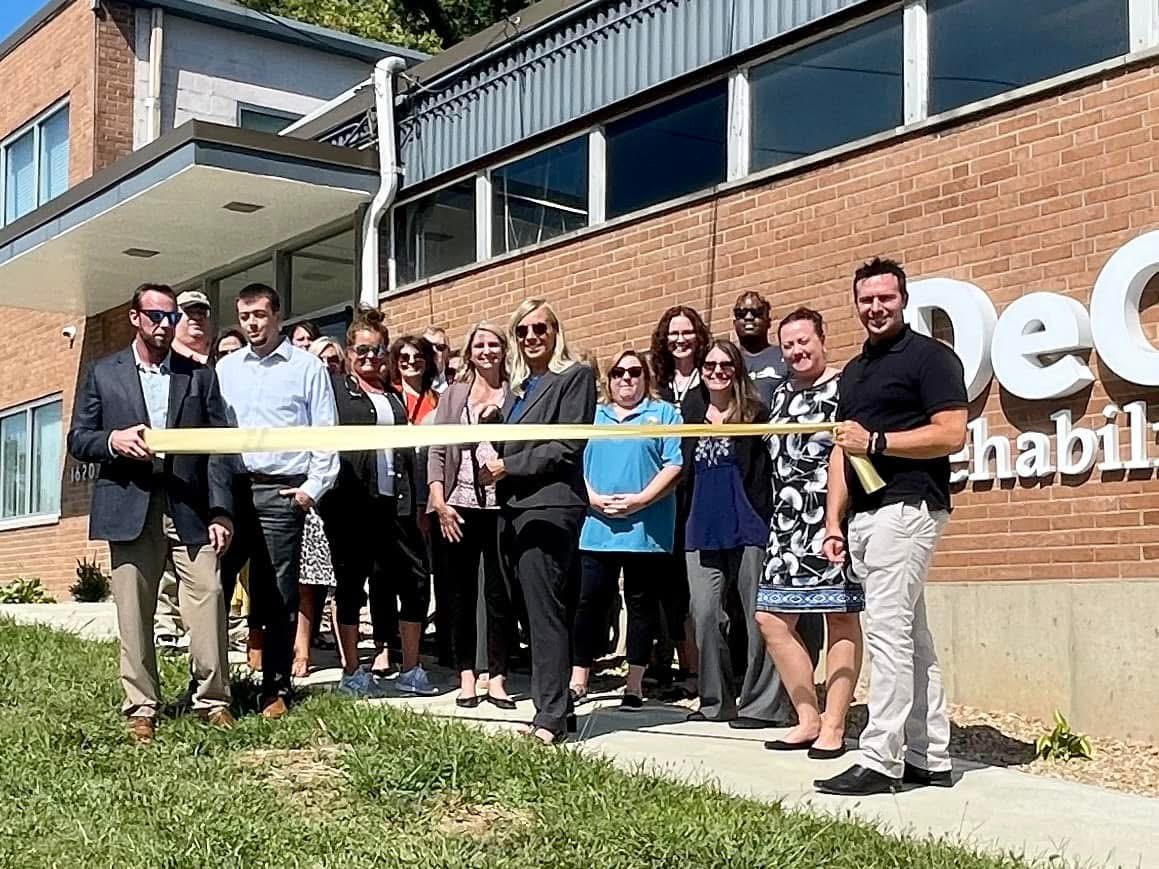
The partnership with Civista Bank has resulted in DeCoach growing and opening even more facilities in an effort to spread addiction recovery care to Ohio communities.
Finding Meaning & Purpose
During a later walk-through at the Ohio Recovery Center, Civista Bank’s Michelle Edwards saw firsthand the difference DeCoach makes. As she toured the facility, a patient approached and said, “Thank you for having this facility. I’ve been through rehab at other places, this place is different.”
That difference was visible everywhere: chef-prepared meals instead of prepackaged trays, open spaces filled with natural light, gardens where patients could work and reflect, and a team that met each person with compassion and accountability. For Edwards, the moment brought the partnership full circle. “Seeing what they’ve built and knowing Civista played a small part in helping them keep going was incredibly meaningful,” she says.
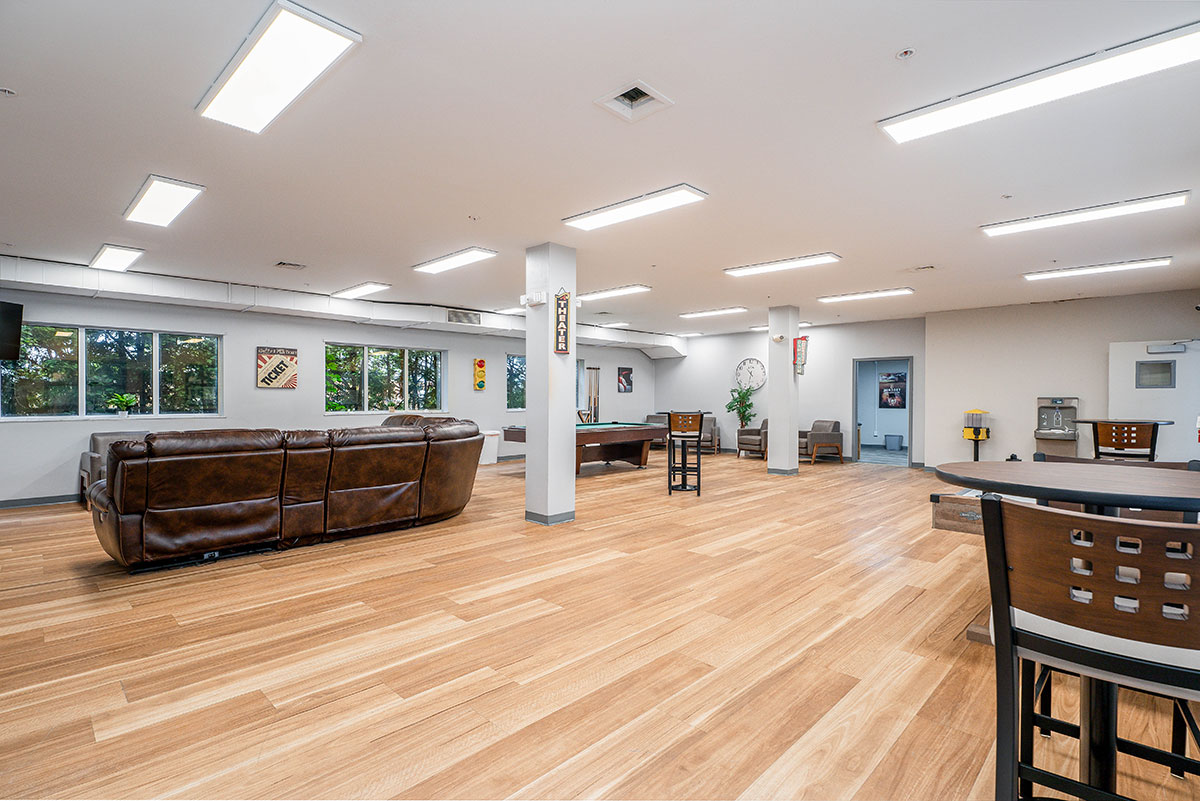
One of the spacious commons at the Cincinnati campus, tailored to the needs of the patients.
Ask Barrows what she values most in a bank, and she answers immediately: responsiveness and trust. “Civista believed in us early,” she says. “They answer the phone. They text back at midnight. They share our mission to better the communities we serve.”
“Banking isn’t glamorous, but purpose is,” says Sams. “That’s why we run hard. Personal attention. Powerful solutions. That’s how we try to show up.”
Connect with Civista
For business owners and community leaders, DeCoach's story is a reminder that local partnerships can change lives. When banking decisions are made close to home, by people who understand your mission and community, growth looks different.
Whether you're expanding, hiring, or simply looking for a partner who answers the phone when you call, we invite you to see what banking with a local team can mean for your business.
Connect with our banking team today.

